




NewsNoticias
January 31, 2026
Share this storyCompartir esta historia

How Do You Warm Up a Frozen Playground?¿Cómo se calienta un parque infantil congelado?

Our kindergarten scientists stepped into the STEAM Lab to explore an exciting question: How Do You Warm Up a Frozen Playground? The lesson began with students sharing their own experiences with hot and cold weather and how sunlight helps keep us warm. From there, they traveled (through imagination and learning!) to a real place—Rjukan, Norway, a town where the sun does not shine during the winter months because it is surrounded by tall mountains.

Using our Mystery Science curriculum, students learned how Rjukan solved this real-life problem in an incredible way. In 2013, the town installed three large heliostat mirrors that redirect sunlight down into the town center. This modern solution, led by local artist Martin Andersen, brought light and warmth back to the community and cost approximately $825,000.

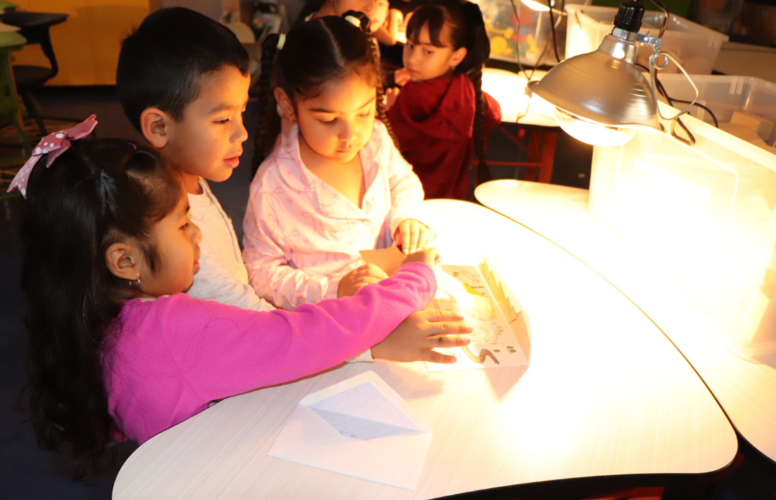
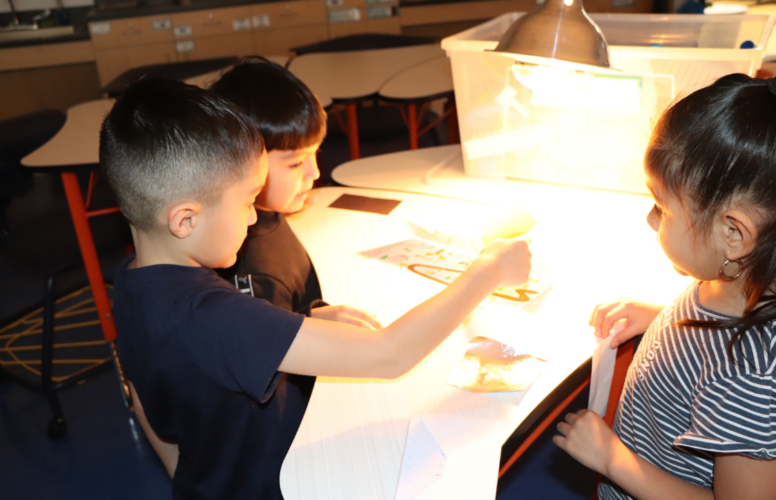
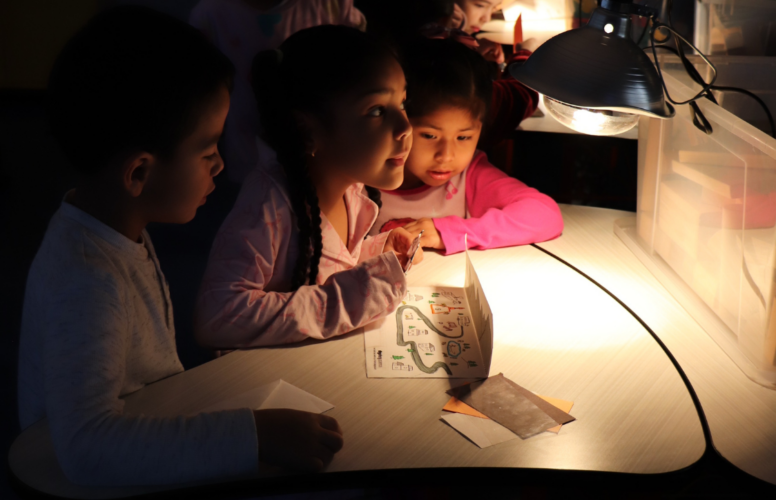
Inspired by Rjukan’s story, our kindergarteners took on an engineering challenge of their own. They were asked to help an imaginary frozen town called “Chill City.” Students experimented with different materials—opaque, transparent, and reflective—to see which ones could best reflect light. Through hands-on exploration and teamwork, they quickly discovered that foil was the most effective material.

With their foil “mirrors” in place, students successfully reflected light onto Chill City’s frozen playground. The result? The ice began to “melt,” and the playground was saved! Thanks to their problem-solving skills, the students of Chill City—and Rjukan—could finally enjoy recess outdoors again.

This engaging STEAM lesson connected science, engineering, and real-world problem solving in a meaningful way. Our kindergarten students showed curiosity, creativity, and critical thinking as they learned how innovative ideas can bring light—even to the coldest places.

Nuestros pequeños científicos de preescolar entraron al Laboratorio STEAM para explorar una pregunta fascinante: ¿Cómo calentar un patio de juegos congelado? La lección comenzó con los estudiantes compartiendo sus propias experiencias con el clima cálido y frío y cómo la luz del sol nos ayuda a mantenernos calientes. A partir de ahí, viajaron (¡a través de la imaginación y el aprendizaje!) a un lugar real: Rjukan, Noruega, un pueblo donde el sol no brilla durante los meses de invierno porque está rodeado de altas montañas.

Utilizando nuestro programa de estudios Mystery Science, los estudiantes aprendieron cómo Rjukan resolvió este problema de la vida real de una manera increíble. En 2013, el pueblo instaló tres grandes espejos heliostáticos que redirigen la luz del sol hacia el centro del pueblo. Esta solución moderna, liderada por el artista local Martin Andersen, devolvió la luz y el calor a la comunidad y tuvo un costo aproximado de $825,000.

Inspirados por la historia de Rjukan, nuestros alumnos de preescolar asumieron su propio desafío de ingeniería. Se les pidió que ayudaran a un pueblo imaginario congelado llamado “Chill City”. Los estudiantes experimentaron con diferentes materiales —opacos, transparentes y reflectantes— para ver cuáles podían reflejar mejor la luz. A través de la exploración práctica y el trabajo en equipo, descubrieron rápidamente que el papel de aluminio era el material más efectivo.

Con sus “espejos” de papel de aluminio en su lugar, los estudiantes lograron reflejar la luz en el patio de juegos congelado de Chill City. ¿El resultado? ¡El hielo comenzó a derretirse y el patio de juegos se salvó! Gracias a sus habilidades para resolver problemas, los estudiantes de Chill City —y de Rjukan— finalmente pudieron disfrutar del recreo al aire libre nuevamente.

Esta atractiva lección STEAM conectó la ciencia, la ingeniería y la resolución de problemas del mundo real de una manera significativa. Nuestros alumnos de preescolar demostraron curiosidad, creatividad y pensamiento crítico al aprender cómo las ideas innovadoras pueden traer luz, incluso a los lugares más fríos.